Permits for South Norwood roadside flower stalls Croydon Council
Posted on 12/10/2026
Permits for South Norwood roadside flower stalls Croydon Council: a practical guide
If you are thinking about selling flowers from a roadside stall in South Norwood, the permit question comes up fast. And to be fair, it should. Permits for South Norwood roadside flower stalls Croydon Council is not just a paperwork issue; it affects where you can trade, how safely you can operate, and whether your stall is likely to stay up for more than a weekend. A small flower stand can look simple from the outside, but once you add public space, traffic, footfall, and local rules, things get a bit more serious.
This guide breaks the topic down in plain English. You will learn what the permit conversation usually involves, how the process tends to work, what makes a roadside stall more likely to succeed, and the mistakes that trip people up. If you are planning a seasonal display, a permanent flower stand, or a small pop-up near home, this should help you decide the next sensible step.
- Why permits matter
- How the permit process works
- Benefits and practical advantages
- Who needs a permit and when it makes sense
- Step-by-step guidance
- Expert tips for smoother trading
- Common mistakes to avoid
- Tools, resources and recommendations
- Law, compliance and best practice
- Options and comparison
- Real-world example
- Practical checklist
- Conclusion
- Frequently asked questions
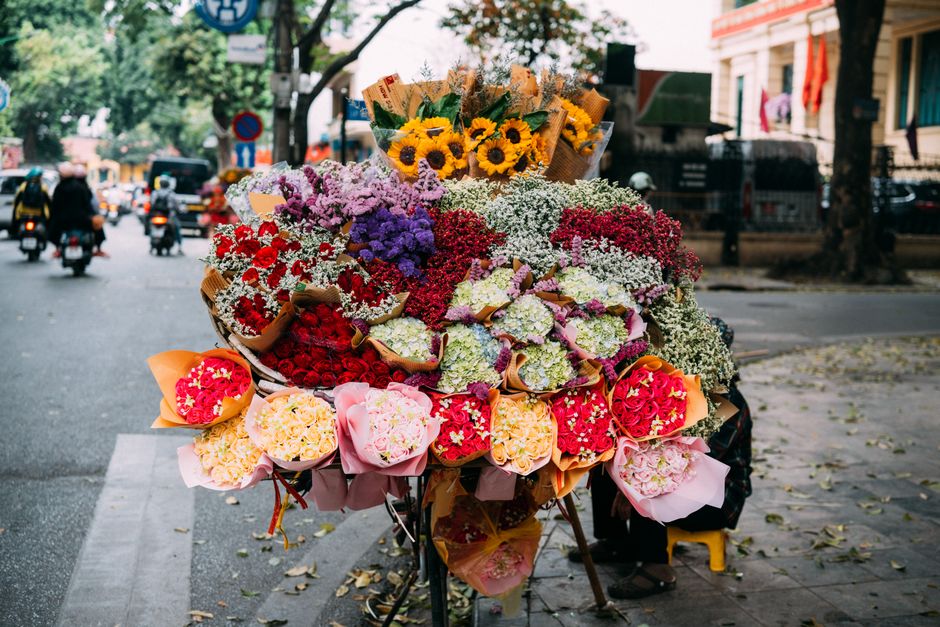
Why Permits for South Norwood roadside flower stalls Croydon Council Matters
The short answer? Because roadside trading sits right at the point where business meets public space. That means your stall does not only affect your customers; it can affect pedestrians, cyclists, traffic flow, neighbours, and nearby businesses too. A flower stall may feel gentle and low-impact, but councils often look at it through a wider lens: safety, obstruction, visibility, amenity, and fairness to other road users.
In South Norwood, the local setting matters as much as the flowers themselves. Busy local streets, narrow pavements, school runs, bus stops, and parking pressure can all change how a stall is viewed. A spot that seems perfect at 8am might be awkward at 3pm. You know how it goes. One parked van and the whole scene changes.
That is why the permit issue matters so much. If you get the permissions wrong, you may face enforcement action, be asked to move on, or lose stock that was meant for the day's trade. If you get it right, you create something far more stable: a lawful, visible, and repeatable sales point with fewer nasty surprises.
Expert summary: roadside flower stalls are often judged less by the product and more by the location, safety, and impact on the public realm. Good planning usually beats a hopeful "let's just see how it goes" approach.
There is also a trust angle. Customers tend to notice when a stall looks organised and properly set up. It sends a quiet signal: this is a real trader, not a stop-gap table shoved onto the kerb. That sort of confidence can matter just as much as the bouquet display.
How Permits for South Norwood roadside flower stalls Croydon Council Works
While the exact route depends on the stall type and the site you want to use, the process usually revolves around a few core questions: Is the land public or private? Does the stall sit on the highway or pavement? Will it obstruct access? Is the activity a trading setup, a display, or a temporary pop-up? These distinctions matter more than people expect.
If your intended pitch sits on or beside public highway land, you may need permission before placing anything there. That can mean a street trading style approval, a pavement licence, or another form of consent depending on the setup and local policy. If the stall is on private land, the council question may still come up if the display affects visibility, access, or nearby highways issues.
In practical terms, councils usually want to know:
- the exact location of the stall
- the dimensions of the stand, table, or display
- what times and days you plan to trade
- how you will manage waste, packaging, and water
- whether customers will stop safely without causing a hazard
- what you will do in poor weather, dark evenings, or high footfall periods
That may sound a little bureaucratic, and yes, it can be. But from the council's point of view, it is the difference between a tidy local stall and a constant complaint source. Truth be told, most permission problems come from details: a stand that is too wide, a spot too close to a junction, or a display that blocks sightlines for drivers.
For traders, the big lesson is simple: do not treat the permit as a box-ticking exercise. Treat it like part of the stall design. The better your layout, the easier the approval conversation often becomes.
Key Benefits and Practical Advantages
Getting the right permission can do more than keep you out of trouble. It can improve your business in ways that are very real on a wet Tuesday morning when footfall is thin and the roses still need selling.
| Benefit | What it means in practice | Why it helps |
|---|---|---|
| Lower enforcement risk | You are less likely to be asked to remove the stall unexpectedly | Protects stock, time, and reputation |
| Better trading stability | You can plan regular opening times with more confidence | Makes customer habits easier to build |
| Improved public trust | A well-managed stall looks legitimate and professional | Helps shoppers feel comfortable buying |
| Safer setup | Clearer expectations on placement, access, and display size | Reduces the chance of accidents or complaints |
| Better planning for stock | You can match supply to trading days and likely demand | Less wastage, better margins |
There is another advantage that gets overlooked: permits can help you think properly about the stall itself. A roadside flower stall is not only about selling. It is about flow, visibility, and first impressions. People often decide in a few seconds whether to stop. A permit-backed, well-run pitch does a lot of the selling before you even say hello.
And yes, flowers lend themselves well to this. A neat display of seasonal stems, a bucket of mixed bouquets, maybe a chalkboard sign that does not wobble in the wind-small things, but they matter.
Who This Is For and When It Makes Sense
This topic is most relevant if you are planning any kind of roadside flower sales in or around South Norwood, whether that is a permanent pitch, a regular weekend set-up, a pop-up for busy dates, or a seasonal stall linked to holidays, weddings, or memorial flowers. It is also relevant if you are already trading and want to check you are on the right side of local rules before someone else raises the question for you.
It tends to make sense for:
- independent florists trying to expand beyond a shop counter
- small local traders testing a new sales point
- family businesses wanting a roadside presence
- seasonal sellers around Valentine's Day, Mother's Day, Easter, or Christmas
- people planning a sympathy flower stand near a crematorium, church, or cemetery area where access and sensitivity matter
It may not make sense if your proposed pitch is uncertain, heavily traffic-sensitive, or likely to clash with existing retail footfall patterns. Sometimes a roadside stall is the right move. Sometimes a delivery-led model is safer and cheaper. That is not defeat; it is good business judgement.
For example, a trader who wants to sell hand-tied bouquets from a narrow pavement near a bend might find the approval route painful from the start. The same trader, using a more controlled frontage with enough set-back and clear pedestrian space, may have a much easier time. Same flowers, very different risk profile.
Step-by-Step Guidance
If you are trying to work out what to do next, keep it simple and practical. Here is the process we would suggest in real life.
- Define the exact trading idea. Is it a stall, a table, a cart, a van-based display, or a temporary stand? The shape matters. A lot.
- Pin down the location. Be specific about the street, frontage, pavement edge, or private forecourt. "Near South Norwood" is not enough when the site itself is the issue.
- Check whether the spot touches public highway land. If it does, do not assume you can just place the stall and start selling. That is where permission questions get serious.
- Measure the footprint. Width, depth, customer standing space, and any room needed for movement all matter. A tape measure is more useful than a vague feeling, annoyingly enough.
- Think about access and visibility. Can pedestrians pass comfortably? Can drivers see clearly? Can wheelchair users and pushchairs get by?
- Plan operating hours carefully. Early morning loading, evening pack-down, and any peak trade times should be thought through before you apply.
- Prepare photos or a simple site sketch. Even a basic layout helps show that you have thought about the practical side.
- Set out how you will manage stock and waste. Flowers are lovely; soggy wrapping on the pavement, less so.
- Clarify the type of flowers and pricing model. A roadside bunch stall, event flowers, and memorial arrangements all have different presentation needs.
- Keep a written record of any permissions, responses, or conditions. If someone queries the setup later, you want a clean paper trail.
If you hit a point where the location seems borderline, pause and reassess. A little extra planning now can save a great deal of hassle later. It really can. One hastily placed display can undo weeks of prep.
Expert Tips for Better Results
Over the years, the same patterns tend to show up. The traders who do best are not always the biggest; they are often the most organised. A few practical habits make a noticeable difference.
Design for the street, not just the bouquet
Your flowers may be stunning, but if the stall is awkwardly placed, unstable, or cluttered, the whole operation looks fragile. Aim for a tidy frontage, clear customer access, and enough room to work without stepping into the road.
Keep the display calm and legible
Too much stock can look impressive for five seconds and messy for the rest of the day. A focused display, especially with seasonally relevant flowers, often sells better than a crowded one. This is where lines and colour matter. A simple mix of mixed colours, for example, can make a stall feel lively without turning it into visual chaos.
Use the weather to your advantage
In London, the weather can flip quickly. One minute there is weak sunshine, the next there is a damp breeze and dripping branches. Have covers, weighted stands, and water storage sorted. Damp petals on a windy pavement do not look premium. They just look tired.
Match your stock to the local day
There is a rhythm to roadside flower sales. Fridays, special dates, and local community events tend to create very different buying patterns. A stall near South Norwood may benefit from a core range of everyday bouquets and a few occasion-led lines rather than overcommitting to one niche.
Think beyond the flowers
Small add-ons can boost basket value. Cards, basic wrapping upgrades, and simple gift pairings can all help. If you already know customers are buying for birthdays, anniversaries, sympathy, or thank-you moments, then pairing the stall with a clear set of occasion ranges can be useful. A local trader might lean on options like birthday flowers or thank-you flowers depending on the day's demand.
A final tip: keep your tone friendly but not pushy. Roadside flower buying is often spontaneous. People respond well to a simple, warm approach. No hard sell. No drama. Just the right bunch at the right moment.
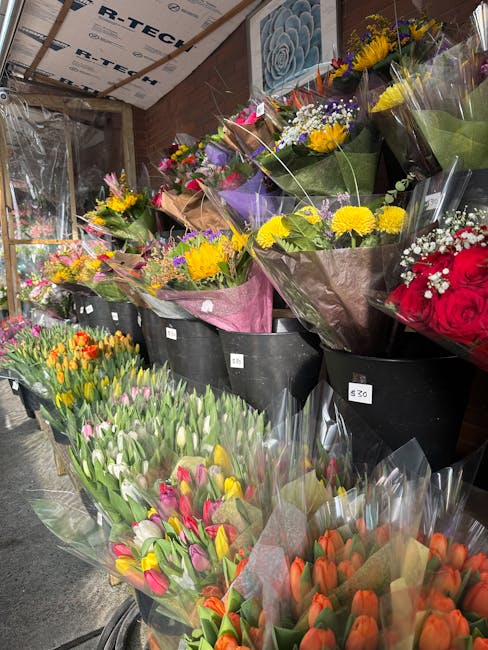
Common Mistakes to Avoid
Most problems are not dramatic. They are small, annoying, and preventable. That is what makes them so frustrating.
- Assuming a roadside pitch is automatically allowed. It usually is not that simple.
- Not checking the exact boundary of the site. A stall that partly crosses onto public land can create avoidable trouble.
- Choosing a location before checking safety. If customers step into traffic to buy flowers, the setup is weak from the start.
- Ignoring footfall and access. Good sales do not justify a bad layout.
- Overloading the stall. Too much stock can make the stand unstable or untidy.
- Forgetting waste management. Wrapping, stems, and water need somewhere to go.
- Leaving weather resilience until last. Wind, rain, and glare all affect a roadside display.
- Using unclear operating hours. If you trade informally at random times, it becomes harder to manage complaints or expectations.
One of the biggest mistakes, honestly, is thinking the permit issue is separate from the business plan. It is not. The permit question should influence the whole setup-from stall size to opening times to what flowers you keep in stock.
If you have ever watched a stall owner trying to stop wrapping paper from taking flight on a breezy afternoon, you will know why the small things matter. Slightly chaotic? Yes. Avoidable? Also yes.
Tools, Resources and Recommendations
You do not need a huge toolkit to get started, but a few items and habits make roadside flower trading much easier.
- A tape measure: for stall footprint, path clearance, and display width.
- A simple site sketch: hand-drawn is fine if it is accurate.
- Weather weights or secure containers: important for buckets, boards, and signage.
- Water-safe packaging: useful for bouquets going out the door quickly.
- Basic stock planning sheet: to track what sells on busy and quiet days.
- Phone photos of the site: especially useful if you need to explain access or layout.
- Clear pricing labels: because customers hate guessing, and fair enough too.
From a product perspective, it can help to keep the range focused. A roadside stall does not need everything. It needs the right everything. Everyday mixed bunches, a few premium stems, and a handful of occasion-led options often perform better than a muddled wall of choice. If you are serving spontaneous buyers, a ready-made selection like best sellers can work well, while a lower-cost line such as cheap flowers may suit price-sensitive foot traffic.
You may also want to think about timing. Same-day and next-day supply patterns matter if your stall is meant to stay well stocked without waste. Nearby customers sometimes want flowers now, not tomorrow after tea. If that sounds familiar, a range that supports same-day flower delivery in South Norwood can complement the stall model nicely, even if the roadside trade itself is separate.
Law, Compliance, Standards, or Best Practice
This is the section where people often want a neat answer, and there usually is not one. Roadside trading touches several practical and legal areas, and the exact requirement depends on site ownership, highway status, the nature of the trading, and any local conditions. So the safest advice is cautious and specific: do not assume the same rules apply to every flower stand.
In general, you should be thinking about:
- public highway or pavement permissions if your stall is on or beside council-controlled land
- obstruction and safety issues so pedestrians are not forced into the road
- visibility for drivers and cyclists around junctions, driveways, and crossings
- cleanliness and waste control to avoid litter and slip hazards
- fair trading expectations if you are operating regularly rather than occasionally
- access needs for people with mobility impairments, buggies, or shopping trolleys
Best practice usually means documenting everything clearly: who owns the site, what permission you have, what the stall looks like, and when it operates. If you are ever challenged, a tidy record can save a lot of awkward back-and-forth.
It is also sensible to think about product safety and condition. Flowers may be low risk compared with many goods, but a wet, cluttered, or unstable display still creates risks for the public. A clean presentation, secure buckets, and sensible spacing are part of compliance in the real world, even if people do not always say it that way.
For traders who also sell event flowers, wedding flowers, or sympathy arrangements, the compliance conversation becomes broader. For example, a business moving between a roadside stall and a booked-in service model may want cleaner systems for storage, delivery, and condition control. That is where a well-run florist operation starts to look like a proper business rather than just a nice idea.
Options, Methods, or Comparison Table
If you are unsure whether a roadside stall is the right channel, compare the main trading methods side by side. Sometimes the answer becomes obvious when you stop looking only at the flowers and start looking at the operating model.
| Trading method | Pros | Cons | Best for |
|---|---|---|---|
| Roadside flower stall | High visibility, impulse buying, local presence | Permission issues, weather exposure, access constraints | Regular local trading with a strong site |
| Shopfront display | More controlled, better storage, clearer branding | Higher overheads, depends on passing trade | Established florists and daily sales |
| Delivery-led sales | Flexible, scalable, less public-space risk | Less spontaneous foot traffic, logistics needed | Broad local reach and planned orders |
| Pop-up or seasonal stand | Good for holidays, lower commitment | Short trading window, uncertain repeat demand | Testing a location or a specific season |
For many traders, the right answer is a blend. A roadside presence for visibility, delivery for consistency, and occasional seasonal pushes when demand spikes. That combination can work well, especially if your flowers are intended for everyday gifting rather than one narrow niche.
Case Study or Real-World Example
Imagine a small florist in South Norwood wanting to sell bouquets from a neat roadside setup near their home. The owner starts with a folding table, two buckets of mixed stems, and a hand-painted board. It looks charming enough, but the first dry run reveals a few issues: the table edge sits too close to the footway, customers bunch up awkwardly, and one bucket blocks sightlines for cars reversing from a nearby drive.
Instead of pushing on and hoping nobody complains, the owner revises the plan. The stall footprint is reduced. The display is moved back slightly. The busiest bunches are placed at the front. Waste bags are tucked underneath. Hours are changed so loading happens earlier, before the street gets busy. A simple site sketch is prepared, along with photos taken in daylight and again later in the afternoon when shadows change.
The result is not glamorous, but it works better. Customers can stop comfortably, the display looks sharper, and the operation feels less improvised. A person walking by on a chilly morning can see what is for sale without having to weave around clutter. Small improvement, big difference.
That is often the real lesson with roadside flower stalls: success usually comes from reducing friction. If the stall is easy to understand, easy to approach, and easy to trust, the flowers do a lot of the work for you.
Practical Checklist
Use this checklist before you place, apply for, or reopen a roadside flower stall in South Norwood.
- Confirm the exact location and whether it sits on public or private land
- Measure the stall footprint and customer standing space
- Check sightlines, kerb edges, and pedestrian clearance
- Decide the hours of trade and loading times
- Prepare a simple site plan or sketch
- Gather photos of the area in normal trading conditions
- Plan how to secure the stall in wind or bad weather
- Set out waste, packaging, and water disposal arrangements
- Choose a focused product range that suits the pitch
- Keep records of any permission, correspondence, or conditions
- Review access for pushchairs, wheelchairs, and passing pedestrians
- Consider whether delivery or shop sales should support the stall
If you can tick most of those off, you are in a much stronger position. If not, that is fine too. Better to fix the weak spots before they become real problems.
Get a free quote today and see how much you can save.
Conclusion
Permits for South Norwood roadside flower stalls Croydon Council are really about more than permission alone. They are about location, safety, clarity, and making sure a lovely local idea can actually work in the real world. A roadside stall can be charming, practical, and commercially smart-but only if it is planned properly.
If you take anything from this guide, let it be this: start with the site, then shape the stall around it. The flowers are the easy part. The layout, permissions, and everyday practicality are what keep the business standing. And once those pieces are in place, the rest tends to flow more naturally than people expect.
Sometimes the best local businesses begin with a modest setup, a careful plan, and a small patch of pavement used well. That is not flashy. It is just solid. And solid is a good place to start.
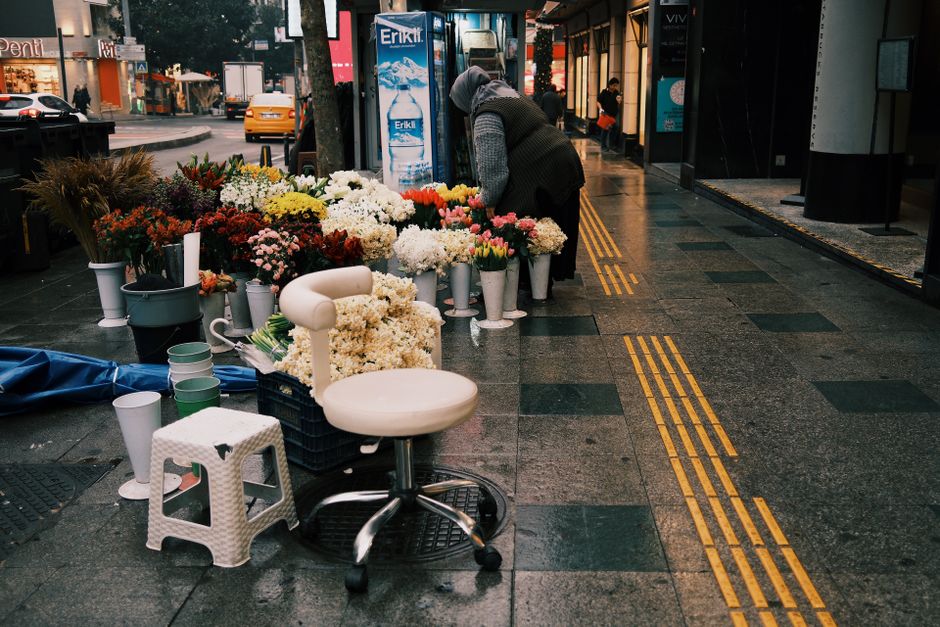
Frequently Asked Questions
Do I need permission to sell flowers from the roadside in South Norwood?
In many cases, yes, especially if the stall uses public pavement or highway-adjacent space. The exact permission depends on the site, the trading style, and what part of the public realm is affected. It is worth checking before you set anything out.
What counts as a roadside flower stall?
It can mean a table, a stand, a cart, buckets on a frontage, or a small pop-up used to sell cut flowers to passing customers. The key issue is not the flowers themselves but where and how the sales point operates.
Can I just use my front garden or driveway without a permit?
Sometimes private land is simpler, but not always free from issues. If customers enter and exit near the highway, or if the display affects visibility or access, there may still be concerns. A driveway display is not automatically trouble-free.
How long does permission usually take?
That depends on the type of permission needed and the complexity of the location. A straightforward setup is often easier to assess than a busy or sensitive site. It is wise to allow time rather than planning on an instant answer.
What information should I prepare before applying?
Have the exact location, measurements, photos, opening times, and a simple layout ready. If you can show how customers will queue and how pedestrians will pass, you are already helping your case.
Is a temporary flower stall treated the same as a permanent one?
Not always. Temporary or seasonal stalls may be viewed differently from permanent trading points, but they can still need permission. Short duration does not automatically mean no rules apply.
What are the biggest risks with roadside flower stalls?
The biggest risks are obstruction, poor visibility, weather damage, and complaints from neighbours or passers-by. There is also the risk of setting up on the wrong land without permission, which can cause avoidable enforcement problems.
Can I sell both flowers and cards from the same stall?
Yes, that is often sensible, as long as the display stays tidy and the additional items do not create clutter or safety issues. Small add-ons like cards can help increase basket spend without making the stall feel crowded.
What if I only trade on busy holidays like Mother's Day or Valentine's Day?
Seasonal trading still needs careful checking. In fact, busy periods can create more pressure because streets are fuller and the public space is under more strain. A seasonal stall may need just as much planning as a regular one.
Is roadside trading better than delivery-only flower sales?
It depends on your goals. Roadside trading gives visibility and impulse sales, while delivery-only sales offer more flexibility and less public-space risk. Many traders use both so they are not relying on one channel alone.
What should I do if my preferred site is too narrow?
Do not force it. Look for a different site, reduce the stall footprint, or move to a delivery-led model. A cramped setup can create safety and compliance issues very quickly, even if the flowers are beautiful.
Can a roadside flower stall help my wider florist business?
Absolutely. It can build local awareness, create repeat customers, and support other sales channels such as delivery, weddings, and event flowers. When done well, it works as part of a broader local flower business rather than sitting on its own.


